Key takeaways
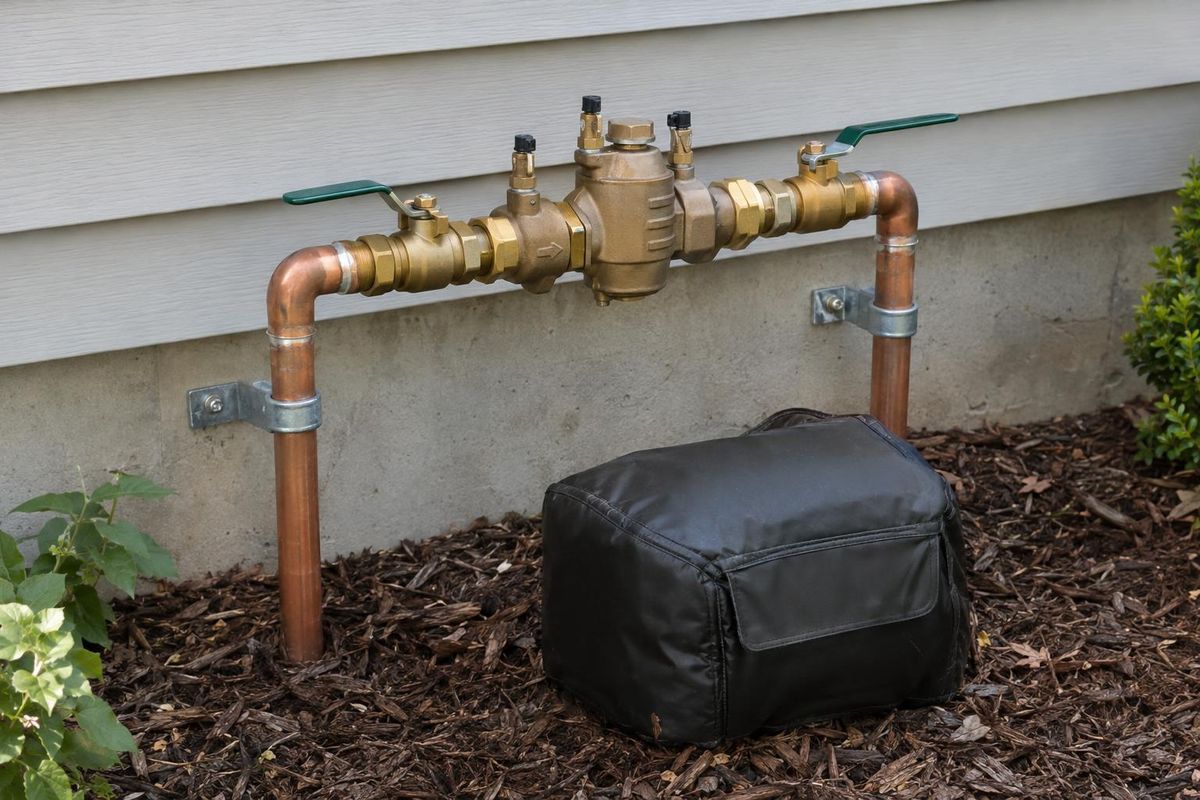
- A backflow preventer keeps irrigation water out of the drinking supply.
- Types vary by local rules and the system.
- Many places require periodic testing.
- Freeze protection helps avoid cracked bodies.
Why backflow protection matters
Water in irrigation lines can pick up fertilizer, soil and bacteria. If supply pressure drops, that water could flow backward into the drinking water. A backflow preventer is a one-way safeguard.
In most areas it is a required part of any irrigation system.
Common types
Common types include pressure vacuum breakers, double check valves and reduced pressure zone devices. Which one is allowed depends on the system and local rules.
Your water provider can tell you what applies to your property.
Testing and repair
Many areas require a qualified tester to check the device on a schedule. Worn seals and debris are common reasons for a leaking or failing device.
Repair often means replacing internal parts, not the whole device.
Protecting it from winter
Backflow devices are often above ground and hold water, so they can crack in a freeze. Draining them in the fall and, where needed, insulating them helps.
If the device leaks in spring, a freeze is a common reason.
Quick answers
Is a backflow preventer required?
Almost always. Local rules decide the type and testing needs.
Why is my device spitting water?
Debris, worn seals or freeze damage are common causes.
Who can test it?
Local rules may require a qualified tester. Your water provider can tell you.