Key takeaways
- Wait until the hard freeze danger has passed.
- Turn water on slowly and watch for leaks.
- Run every zone and look at every head.
- Reset the controller for the new season.
Before you turn the water on
Check the weather. If a hard freeze is still possible, wait. Make sure drain valves are closed and the backflow device is ready for pressure.
Look at the yard for heads that are crushed, tilted or buried, and note them to fix.
Turning on the water
Open the supply slowly. A sudden rush of water can cause shock in the pipes and break fittings. Listen for hissing and look near the backflow device and valves for leaks.
If you see water spraying or pooling, shut the system off and note the area.
Running each zone
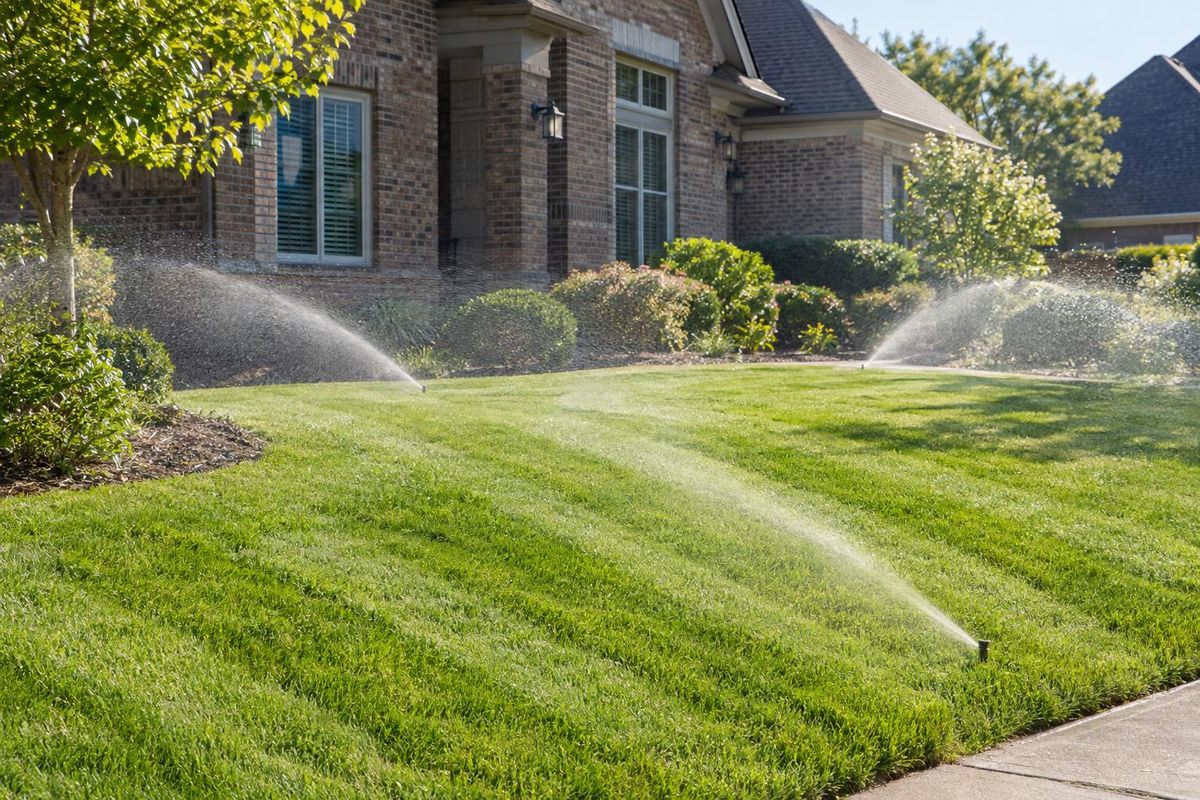
Start each zone by hand from the controller and walk the yard. Look for heads that do not pop up, heads that spray the wrong way, weak or misting spray and wet spots.
Straighten, clean or replace what you can, and write down what needs further repair.
Setting the controller
Check the date and time, the schedule, the run time for each zone and the rain sensor. Seasonal adjust settings can lower or raise run times as weather changes.
If you would rather not do it yourself, a start-up visit covers all of this.
Quick answers
When do I turn on my sprinklers in spring?
After the danger of a hard freeze passes. Local weather can swing, so watch the forecast.
What if a zone does not come on?
Check the controller, then the wire and the valve. A dead zone usually has one of those at fault.
Should I adjust the schedule in spring?
Yes. Lawns need less water in cool, wet weather, so start with shorter runs and increase as it warms.