Key takeaways
- Pressure is the force of the water. Flow is the amount.
- Each zone can only use as many heads as the flow allows.
- Too much pressure causes mist, and too little causes weak spray.
- Matching zones to your supply is the heart of good design.
What pressure and flow mean
Pressure is how hard the water pushes, measured in pounds per square inch. Flow is how much water moves, measured in gallons per minute. Heads need both in the right range to spread water properly.
Your supply has a limit for each, which is why a system is split into zones.
Why systems have zones
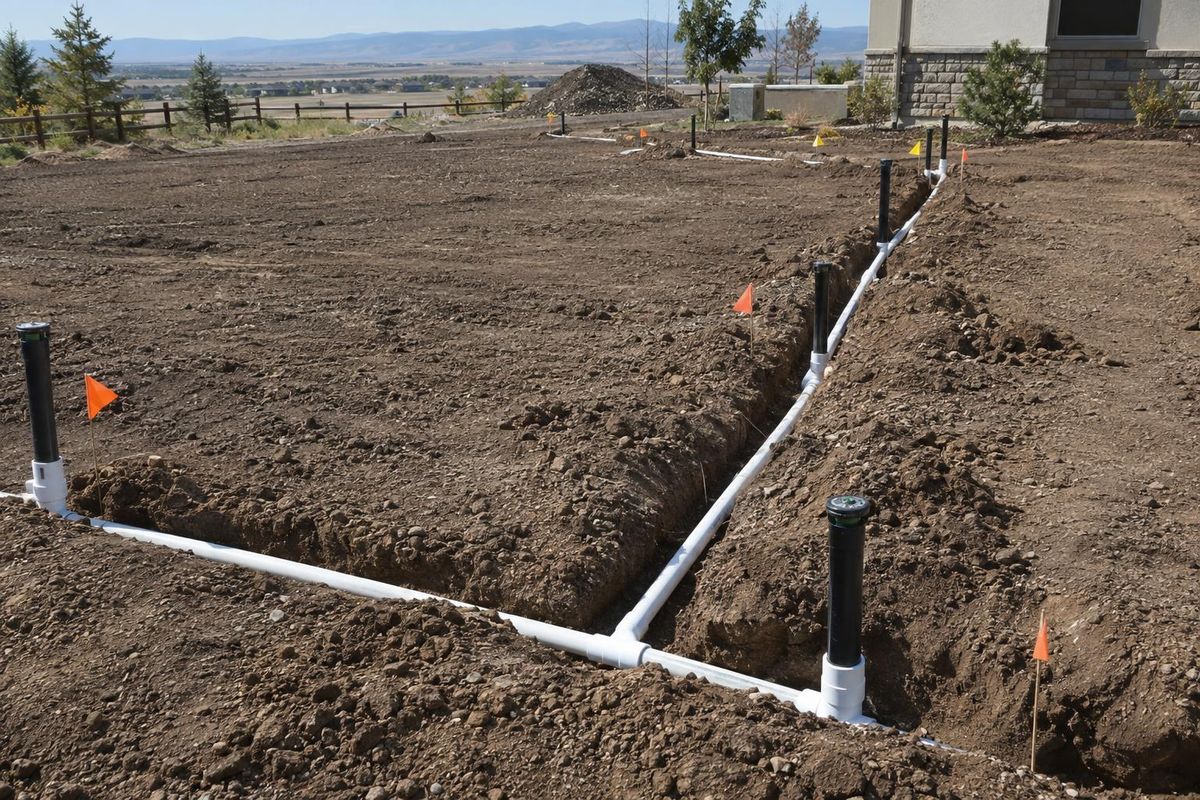
If every head ran at once, the water would be spread too thin and nothing would work. Zones run one at a time so each gets enough pressure and flow.
Zones are also grouped by sun, slope, soil and plant type so each gets what it needs.
What happens when it is off
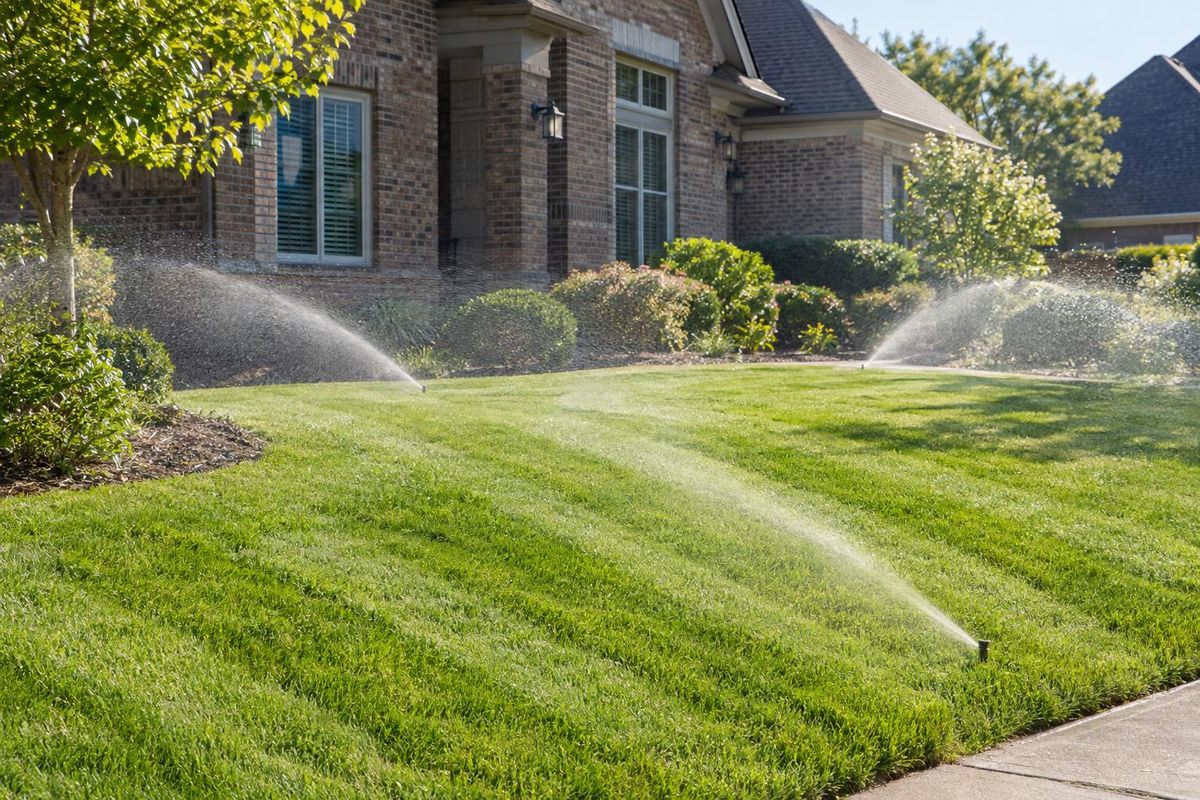
High pressure turns water into mist that drifts away and can blow fittings apart. Low pressure gives short, weak spray and uneven coverage. Too many heads on one zone does the same.
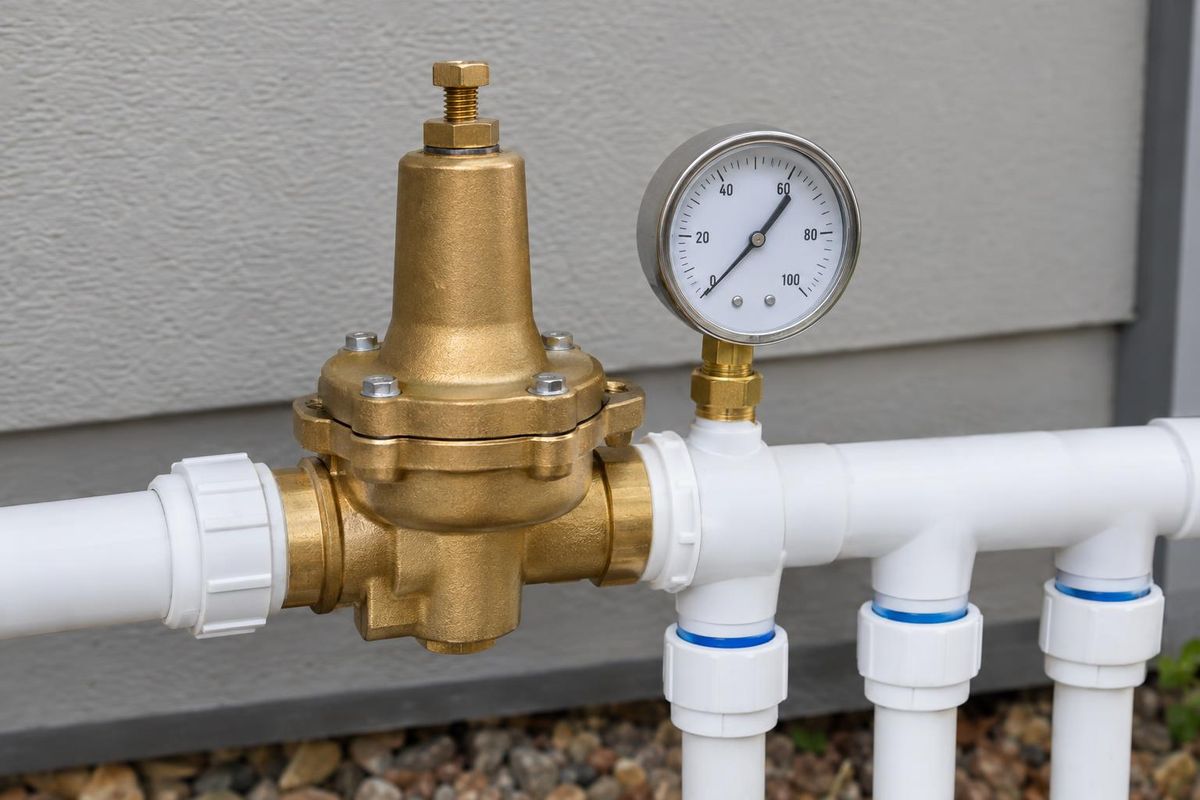
Regulators, valve adjustments and new zone layouts can fix these problems.
How it is measured
A technician measures static pressure with a gauge and finds flow by timing how long it takes to fill a container or by using a flow test at the meter. Those numbers set the size of each zone.
A redesign or an audit uses the same numbers to find problems.
Quick answers
How do I know my water pressure?
A pressure gauge on an outdoor spigot gives a reading. A professional can also test flow.
Why is the spray weak in one zone?
It may have too many heads, a leak or a partly closed valve.
Can I add a zone later?
Often yes, if the controller has an open station and the supply can handle it.